The core of any temperature blanket is the weather data. You can use something other than temperatures in your blanket, but that makes it something other than a temperature blanket. Still interesting, but not called the same thing. I’m here to give you tips on choosing your temperature data.
What to collect
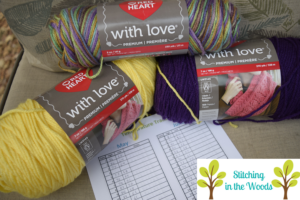
There are many variations of temperatures you can use for your blanket. For just a basic list, you could collect just highs, just lows, both highs and lows, the temperature at 2:00 pm every day, the weekly average high, or the high on each birthday or anniversary. Hopefully reading through those has given you some sort of idea of what temperatures you would want to use. If you’re having trouble deciding, then collect highs and lows for every day until you finish deciding.
Something to keep in mind
Before I get much deeper into more technical stuff, I want to put out there that you should remember that your crafting shouldn’t be a chore. I don’t like saying never, so I’ll say there’s a very slim chance your blanket is going to be used for any sort of scientific treatise or research. This is a project to watch how weather changes over time in a casual way. If you only wanted to see how temperatures have changed in some color-coded fashion you could make up an Excel sheet with formulas in less time, for far cheaper, and with way more accuracy. Don’t let being overly accurate rob you of the fun of accomplishing the project.
Types of temperatures and sources
The two categories of temperatures you’ll possibly collect are current and historical. By “current’ I mean temperatures that are from today or maybe yesterday. When I use “historical,” I’m describing temperatures not only the more distant past ones of several years or decades ago. I’m also describing ones from last month or last year. Depending on the source, current temperatures may be fairly impossible to find, even for yesterday.
The main difference between current and historical temperatures is often where you find them. Some current temperature sources can also provide historical temperatures. For both types, make sure to pick a main source for your temperatures along with a backup source. You can pick from multiple sources if you really want, but for consistency’s sake I’d pick from one. The backup source is very necessary because there will be a day when your favorite weather source is down, inaccessible, or didn’t collect a temperature for that day.
Current temperatures
Current temperatures are a bit easier to collect and to discuss, so I’ll start with those. There are typically more options when it comes to getting any current temperatures. Remember to pick a primary source and stick with it.
One source may give you a temperature for somewhere miles from where you are and another that’s far closer. It may not matter in your area. My home weather station often gives me different high temperatures than the cities in the neighboring counties. It probably has something to do with those readings being from airports and mine being from in (mostly) a forest. But that may be all you have to go on, so don’t worry if that’s the case.
If you’re going with current temperatures, keep the tips for the historical ones (below) in mind just in case you miss a day!
Historical temperatures
These temperatures are often the hardest to collect, especially if you’re going pretty far back. For more recent historical temperatures, you could use the typical ways of collecting them. Some weather websites have at least the previous month’s temperature data on them. Just watch for where it’s from because sometimes they move the source of their temperatures for a location to one much further away simply to have a number there.
One of my blankets is a blanket to commemorate my husband and I’s 10th anniversary. It’s made up of strips from each of our years of marriage. 2007 is a longer time ago than it used to be, but I was still able to find information through NOAA and Accuweather for the various places we’ve lived. Government weather bureaus and universities are good sources for historical temperature information. You might be able to find this online like I did, but you may need to email them to get more specific information.
Finalizing your temperature data choices
I think after possibly overwhelming you with information I’ll do a summary to help you clear your mind. Here are some simple steps to follow:
- Pick what kinds of temperatures you want (high, low, both, etc.)
- Decide if you’re doing current or historical temperatures
- Choose a source for your temperatures and begin collecting data
- Plan the rest of your blanket (see here for help)
- Have fun making your blanket!
If you need additional help setting up your temperature blanket, try out my free 4 day email course on doing just that.
What temperatures do you want your project to feature? Where do you get your temperatures?
FREE Temperature Tracker!!!!

Enter your email address and you'll get a completely free, ready to print temperature tracker to use for your project.


2 thoughts on “Choosing your temperature data”
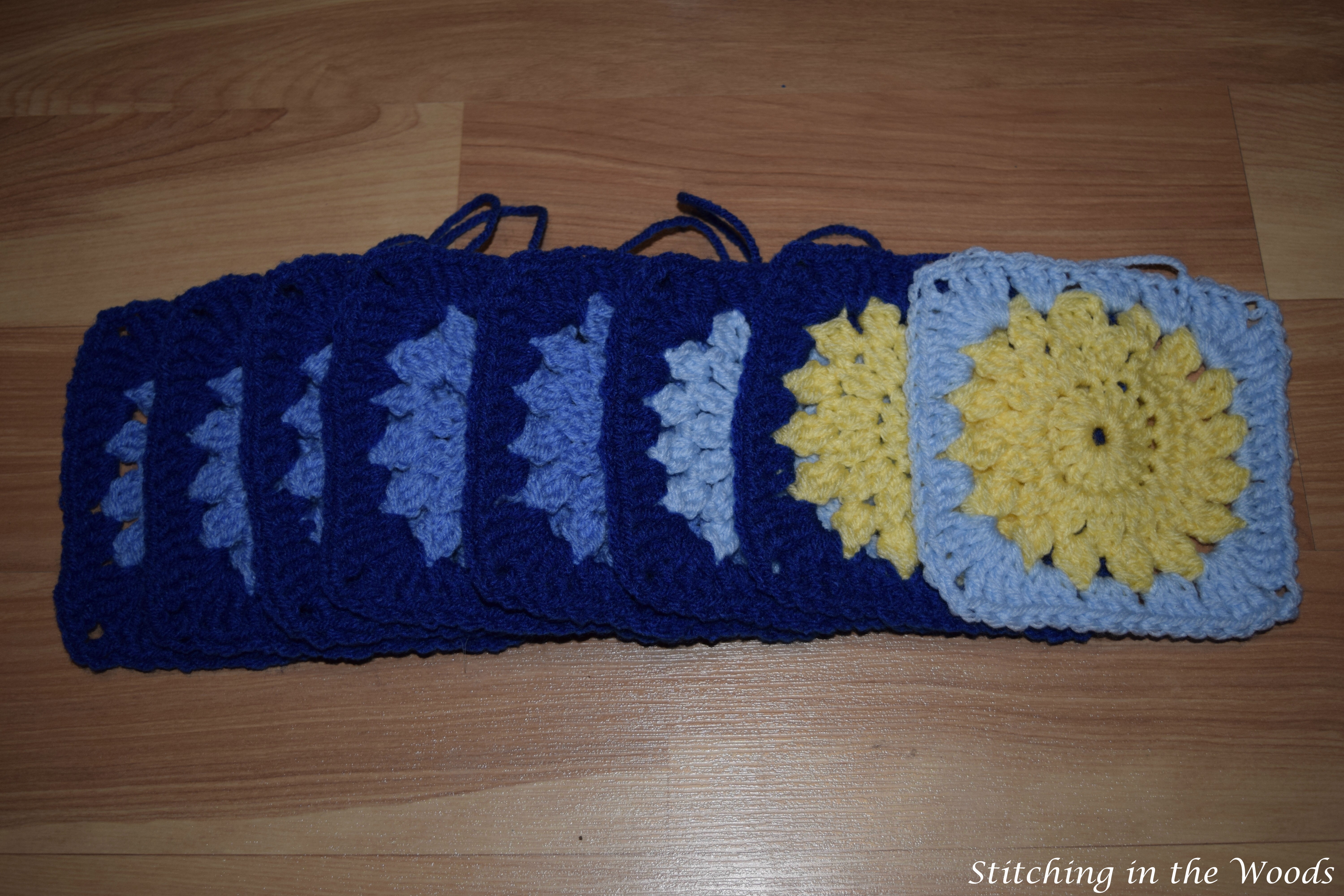
I tried to do a temperature blanket last year and it didn’t go well… only got as far as crocheting February (although I had data all the way through Sept.) Next year I had the idea to do a scarf instead of a blanket… which is going to turn out to be the same amount of work as a blanket as I am going to be making two – one for my city’s temperatures and one for the city in France my friend lives in.
It can be hard to keep motivated to do a temperature project, can’t it? I have several I’ve started but not finished. If I don’t make time for it then it gets really far behind. Like my one for this year. lol
Hopefully yours isn’t quite as much work as you’re anticipating and you’re able to keep up!
Margaret